

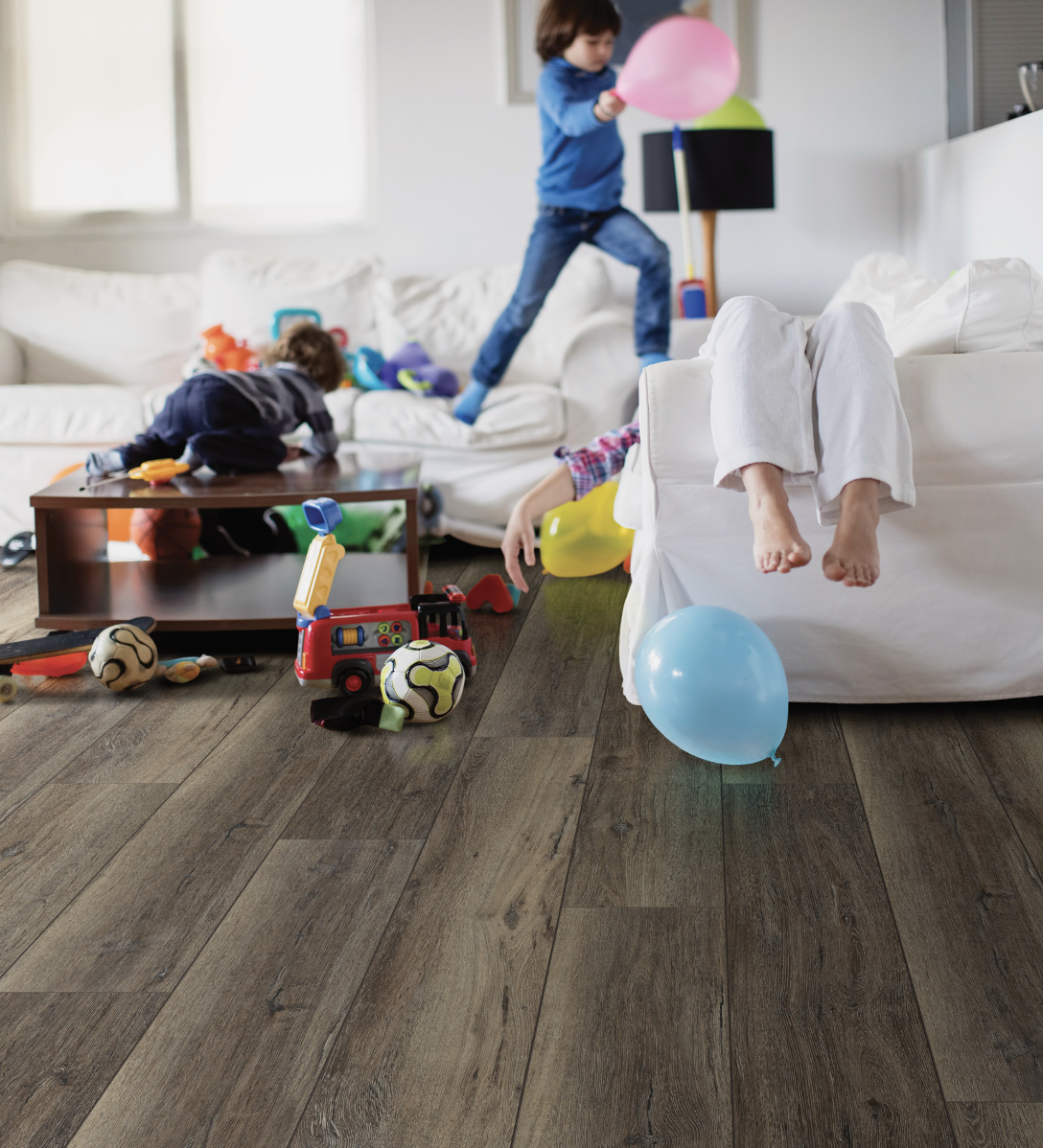
If you’ve ever heard every step echo through a hallway or down into the room below, you know how much floor noise can change the feel of a home. Sound carries differently in busy households, upstairs bedrooms, and open-concept layouts, so a floor that looks beautiful also needs to feel calm. For many homeowners in Wilmington, laminate is worth a second look because the right product and installation details can make a noticeable difference.
Why laminate sometimes sounds louder
Footstep noise usually comes from two places: impact on the surface and movement underneath it. A hard floor will naturally reflect more sound than plush carpet, but that doesn’t mean it has to sound hollow. The bigger issue is often what’s below the plank. Small uneven spots, poor underlayment, or the wrong installation approach can create that sharp clicking or drum-like effect people associate with noisy floors.
That’s why product construction matters. Some newer options are built for a more solid feel underfoot, especially when paired with quality padding and a properly prepared subfloor. If you want to compare styles designed for everyday durability, Carpet Smart’s laminate selection is a helpful place to start because it lets you browse waterproof choices as well as different visuals and constructions.
What actually helps reduce footstep noise
A quieter result usually comes from a system, not one single feature. Thicker boards can help, but thickness alone is not the whole story. Attached pads, denser cores, and a smoother substrate often do more for sound control than a spec sheet headline.
Before choosing a floor, it helps to think through where the noise is happening most:
- upstairs bedrooms and hallways
- family rooms with constant traffic
- rental spaces where wear and acoustics both matter
- homes with pets or active kids
In many Cape Fear Region homes, moisture is part of that conversation too. Humidity and slab-related concerns mean you can’t chase comfort and ignore performance. A floor that handles daily life well while also working with the home’s conditions tends to be the smarter long-term choice. For rooms where a softer surface may still be the better acoustic solution, browsing the carpet catalog can help you weigh the tradeoffs.
Installation details make a bigger difference than most people expect
Even a well-made laminate floor can sound off if the base underneath it isn’t ready. Subfloor prep matters because dips, ridges, and leftover imperfections create movement, and movement creates noise. The goal is a stable foundation that lets the floor sit evenly and lock together the way it was designed to.
That is especially important in older homes, where settling and past renovations can leave behind subtle irregularities. In newer builds around Leland, large open rooms can also amplify sound simply because there are fewer walls and more hard surfaces. If you’re comparing materials for different parts of the house, the luxury vinyl collection is worth reviewing too, since some households prefer its feel and acoustics in specific areas.
Balance quiet, style, and everyday maintenance
Noise control should fit the way you live. A beach house, a primary residence, and a student rental won’t all need the same floor. Tracked-in sand, seasonal humidity, and constant traffic all influence what will feel best after the first few months, not just on installation day. Looking at room scenes and surface visuals can help you picture how a quieter, more grounded floor will work with your furniture, wall color, and light, which is why Carpet Smart’s design inspiration galleries can be useful before making a final decision.
A quieter home often comes down to asking better questions about construction, underlayment, and subfloor prep before the first plank is ever laid. If you’d like help narrowing down the right fit, you can schedule your free in-home consultation and get recommendations based on your layout, noise concerns, and daily routine.


