

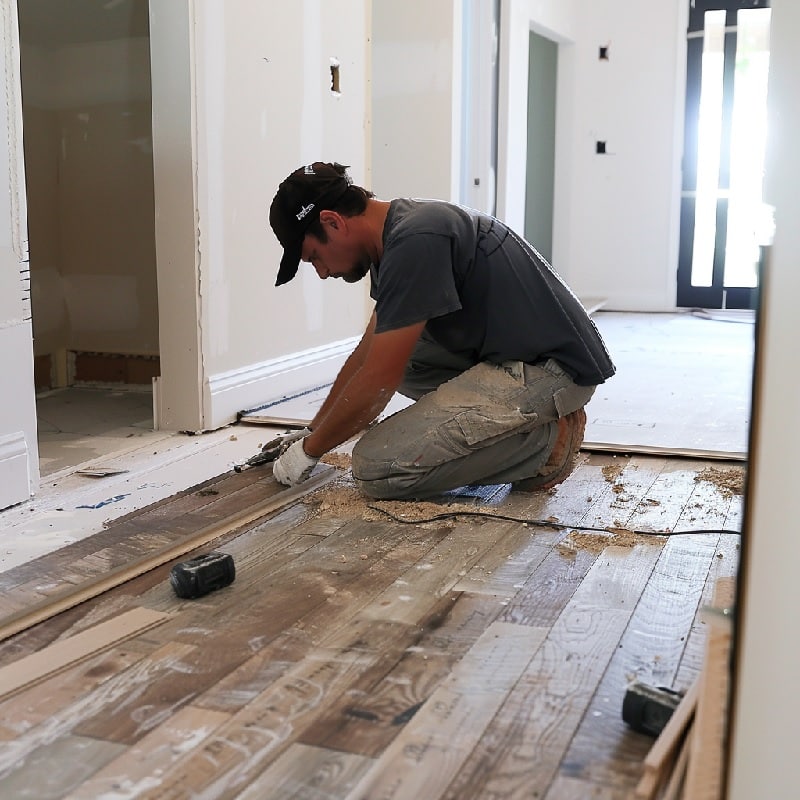
If your floors need help but your budget says “not all at once,” you’re not alone. A full-home replacement sounds great in theory, but real life usually calls for a smarter plan. Maybe the kitchen is showing wear, the hallway never looks clean, and the guest room can wait another year. A phased approach lets you solve the biggest problems first, spread out the cost, and make decisions you’ll still feel good about later.
Start with the rooms that work hardest
The best phased plan begins with pressure points, not perfection. Think about where your home takes the most abuse: entryways, kitchens, laundry rooms, bathrooms, and any path that sees constant traffic from kids, pets, or sandy shoes. In coastal homes, moisture and grit can wear down a surface faster than homeowners expect, especially when summer humidity is part of daily life.
That’s why sheet vinyl often makes sense as an early move. It gives you a resilient, easier-to-clean surface in rooms where spills, tracked-in debris, and frequent mopping are normal. If you want to compare colors, patterns, and wear layers before choosing your first phase, it helps to browse a vinyl sheet catalog with enough range to match both practical needs and your style.
Build the plan around transitions, not just rooms
Once you know which spaces come first, the next step is thinking about how one area will connect to the next. This is where many budget-minded projects go sideways. A kitchen update may feel simple until it meets an older hallway floor that clashes in color, thickness, or overall tone. Planning ahead prevents that patchwork look.
A good phased upgrade maps out the whole house before the first material is ordered. Even if you only complete one or two areas now, you should already know what might come later. For many homes in Wilmington, that means pairing durable sheet vinyl in moisture-prone zones with a wood-look product in adjacent living areas. Looking through a laminate selection early can help you find visuals that coordinate well with future phases, especially if you want a consistent look without committing to every room today.
Balance immediate savings with long-term value
Budget planning is not just about buying the least expensive floor today. It’s about avoiding choices that create extra costs later. A bargain material in the wrong room can wear out quickly, and replacing it again defeats the purpose of phasing the project in the first place.
Instead, separate your decisions into two buckets: where you need maximum performance now, and where you can wait for a finish upgrade later. In many homes, that means prioritizing moisture resistance and easy maintenance first, then circling back to bedrooms or formal spaces once the high-demand areas are handled. If you’re comparing surfaces beyond sheet vinyl and laminate, reviewing the luxury vinyl collection can also clarify whether a plank format belongs in a later phase rather than the first one.
Use each phase to make the next one easier
A smart rollout should reduce future stress, not add to it. That means measuring carefully, keeping notes on color direction, and thinking about how your furniture schedule, renovation timing, or rental turnover affects the order of work. In places like Hampstead and nearby beach communities, many homeowners also plan around storm season or busy guest months, which makes a staged project even more practical.
It can also help to gather ideas before you commit. Seeing full-room examples often makes it easier to choose a tone that will still work when phase two begins. If you’re unsure how to connect today’s update with the rest of the house, spending time in the design inspiration galleries can make the larger plan feel much clearer.
A phased flooring upgrade works best when it feels intentional from the start. Focus on the rooms that need help most, choose materials that suit the way you live, and leave space for the next step instead of forcing every decision at once. When you’re ready to map out priorities and costs, you can request a free estimate and build a plan that fits your home and your budget.


