

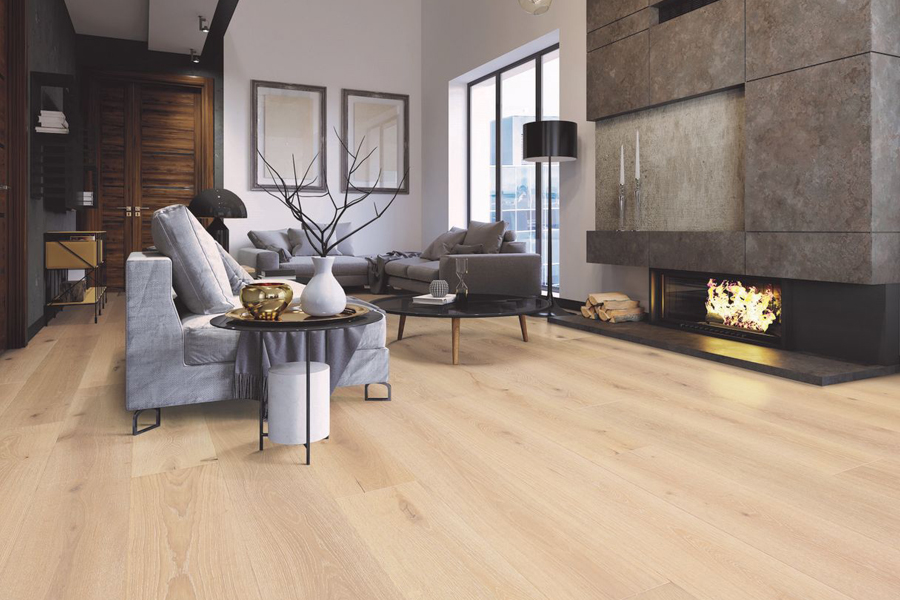
When homeowners start thinking about resale, they often focus on paint colors, curb appeal, or kitchen updates. Flooring tends to get judged differently. Buyers notice it immediately, but they rarely describe what they’re seeing in technical terms. They simply decide whether a home feels clean, current, and well cared for. In a market like Wilmington, where buyers compare older homes, new builds, and coastal properties with different wear patterns, the right floor can quietly strengthen the entire showing experience.
Buyers Read Floors as a Sign of Overall Maintenance
Most buyers don’t walk in asking what brand or construction method is underfoot. What they do notice is whether the surface looks dated, swollen, scratched, or difficult to maintain. That reaction matters because flooring influences how people interpret the rest of the house. If it feels fresh and practical, rooms often seem more move-in ready.
That’s one reason laminate has become part of a smart resale strategy. Today’s options do a better job of capturing the look of wood while offering durability that fits everyday life. In homes where tracked sand, wet shoes, and heavy traffic are realistic concerns, a broad laminate selection gives sellers a way to improve appearance without automatically stepping into hardwood pricing.
Style Helps, but Practical Performance Often Closes the Gap
A beautiful floor gets attention. A floor that also fits local living conditions helps buyers justify the purchase. In the Cape Fear region, humidity and moisture concerns are not abstract issues. They affect how people think about renovations, especially in houses with slab foundations or properties that have seen storm-season stress over the years.
That’s why waterproof and water-resistant surfaces tend to support resale conversations so well. They reduce one of the buyer’s biggest worries: future maintenance. Laminate can be especially effective when the goal is to modernize living areas, hallways, or bedrooms with a consistent look that feels updated but still budget-conscious. For spaces where a softer underfoot feel or seamless moisture resistance is appealing, some sellers also compare products in a vinyl sheet catalog before making a final decision.
Consistency Across the House Matters More Than Luxury in One Room
One common resale mistake is putting all the budget into a single premium room while leaving the rest of the home visually disconnected. Buyers usually respond better to continuity. If the main living spaces flow well together, the home feels larger, calmer, and easier to imagine furnished.
That doesn’t mean every room needs the same material. It means transitions should feel intentional. A seller might refresh key gathering spaces with laminate, keep bedrooms comfortable with choices from the carpet catalog, or compare other hard-surface looks in the hardwood collection to understand where a higher-end finish makes sense. The value comes from making the house feel cohesive rather than piecemeal.
Resale Value Is Really About Reducing Buyer Objections
At resale, flooring earns its keep by removing friction. If a buyer starts mentally adding replacement costs before they reach the second bedroom, your asking price is already under pressure. If the surfaces feel updated, durable, and appropriate for the home, the conversation shifts. Now they’re imagining move-in timing, furniture placement, and everyday life.
That mindset is especially important in places like Hampstead and Leland, where buyers may be comparing several homes in the same price band. When one property feels easier to live in from day one, it often stands out for reasons that seem emotional but are supported by practical updates.
If you’re weighing what will make the strongest impact before listing, Carpet Smart can help you compare materials that fit your budget and your goals. A free in-home consultation can help you choose flooring that looks right for the house and makes sense for resale.


