

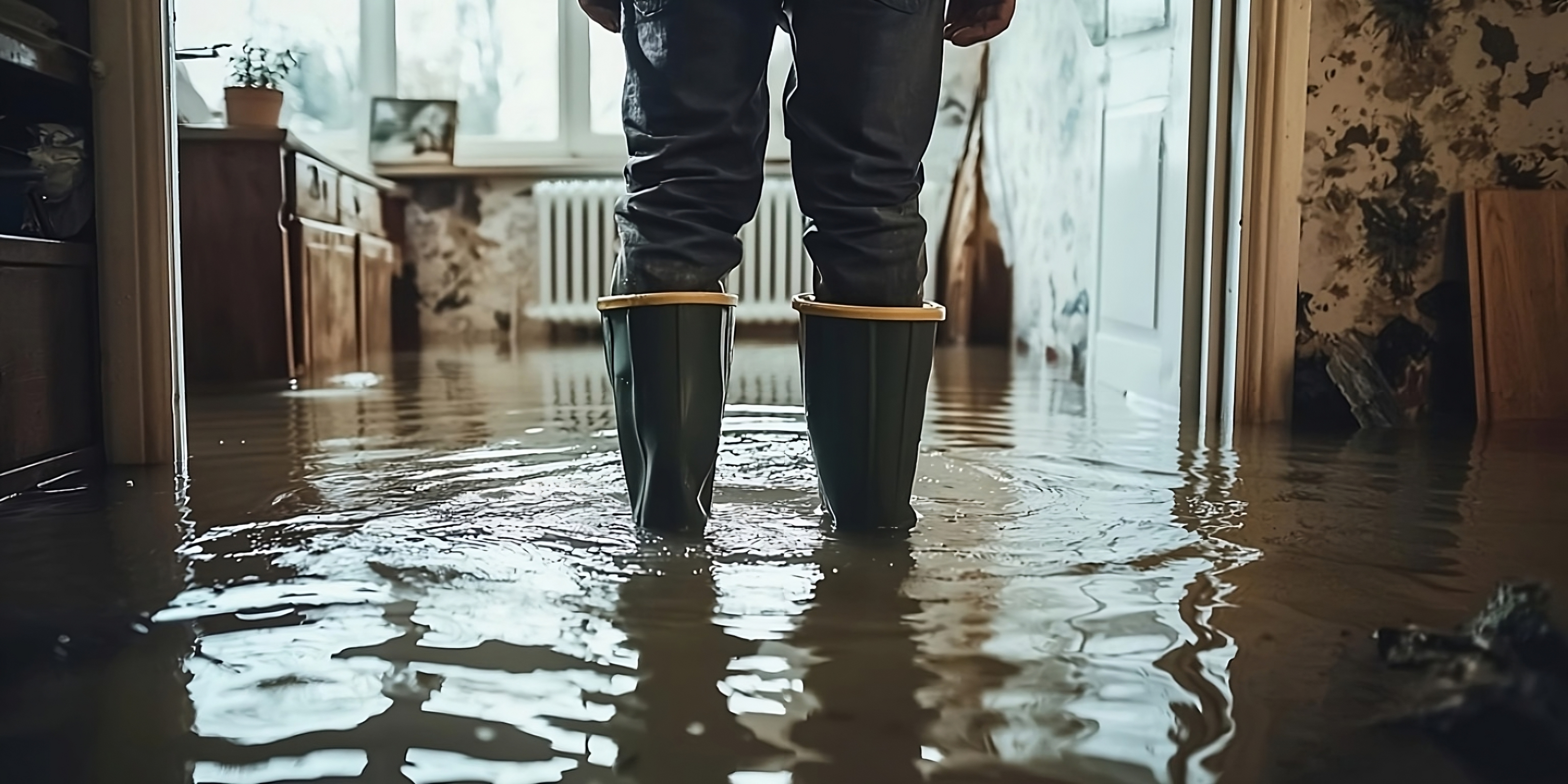
After a storm pushes water into your home, you’re not just dealing with soggy boxes and baseboards. You’re staring at floors that may look fine once they dry out—but could be hiding moisture, mold, and long-term damage underneath. In a coastal climate with high humidity and sandy soil, like you see around Wilmington and the nearby beach communities, knowing when to repair and when to start fresh is essential.
First 48 Hours: What Matters Most
Once floodwater hits, the clock starts. The longer materials stay wet, the deeper moisture travels into subfloors and wall cavities.
In those first days, focus on safety and drying, not decisions about new floors:
- Remove standing water and wet debris as quickly as possible.
- Pull up any obviously ruined carpet, padding, and loose flooring so the subfloor can breathe.
- Run fans and dehumidifiers nonstop, and open windows when conditions allow.
Even if floors appear to dry on the surface, trapped moisture can linger in plywood or concrete. That hidden dampness is what leads to cupping, warping, and mold months later. A professional can check subfloor moisture with a meter and help you decide if you’re dealing with a cosmetic issue or a structural one.
Signs Your Existing Floor Has to Go
Some materials simply do not recover well from flooding. Others can survive if damage is limited and drying is fast. Use these cues to decide whether replacement is the safer bet.
Carpet and pad Wall-to-wall carpet almost always needs to be removed after a true flood, especially if water was contaminated or stood for more than a few hours. Even if you love the softness, the combination of padding, backing, and fibers becomes a sponge for bacteria and odor. When you’re ready to look at fresh styles, exploring the carpet catalog can help you plan a cleaner, more flood-aware replacement.
Laminate flooring Traditional laminate has a fiberboard core that swells when it gets wet. If planks have buckled, edges are raised, or seams have puffed up, replacement is almost always necessary. In some rooms, you may be able to upgrade to newer waterproof designs by comparing options in our laminate catalog, which highlights lines specifically built to handle moisture better.
Existing vinyl sheet Older sheet vinyl can sometimes be dried in place if water only skimmed the surface and was removed quickly. However, once water gets underneath, it tends to sit between the vinyl and the subfloor. Blistering, discoloration, or a musty smell are strong indicators that the material has lost its bond and should be replaced. When that happens, updating to modern cushion-backed patterns from brands like Armstrong and Shaw in the vinyl sheet selection can give you a more resilient surface next time storms roll through.
Evaluating Subfloors in a Humid, Coastal Climate
In the Cape Fear region, many homes sit on slabs or low crawlspaces, and both can hold moisture long after visible water is gone. Before you invest in new floors, it’s worth understanding what’s happening underneath.
Wood subfloors that stay damp can develop mold and lose strength. Concrete can look dry but still release moisture vapor that affects adhesives and floating floors. That’s why moisture testing and subfloor prep are just as important as the product you choose. Working with professional flooring installation gives you an installer who checks these conditions, recommends the right underlayment, and makes sure your new floors aren’t sitting on a problem.
In homes used as vacation rentals or short-term stays—common in places like Carolina Beach—durability matters as much as appearance. Materials that tolerate repeated wet-mopping, sand, and tracked-in water will save you from doing this all over again after the next big storm.
Choosing Smarter Replacement Floors After a Flood
Once everything is dry and any damaged material is removed, you can start thinking about what should go back down. Flood experience often changes priorities; homeowners who once picked flooring purely for looks now put water resistance and easy cleanup at the top of the list.
Modern sheet vinyl is a strong contender in flood-prone spaces because seams are limited, the surface is non-porous, and many products are cushioned for comfort underfoot. Comparing patterns and constructions in the vinyl catalog can help you match the right style to high-risk areas like kitchens, baths, and basements.
If you prefer the feel of individual planks, many homeowners mix surfaces—using waterproof laminate or luxury vinyl planks in living areas and bedrooms, while reserving sheet goods for rooms most likely to see standing water. When you’re weighing plank options, browsing the broader luxury vinyl collection can clarify which products make the most sense for your lifestyle and risk level.
Ready to Talk Through Your Post-Flood Options?
Replacing floors after a flood is about more than picking a new color. It’s about understanding how water moved through your home, how your subfloors are performing now, and which materials will give you more peace of mind before the next storm season. If you’d like a local expert to walk that process with you, you can request a free estimate and schedule an in-home visit to assess damage, check moisture, and plan smarter, more resilient flooring for the years ahead.


