

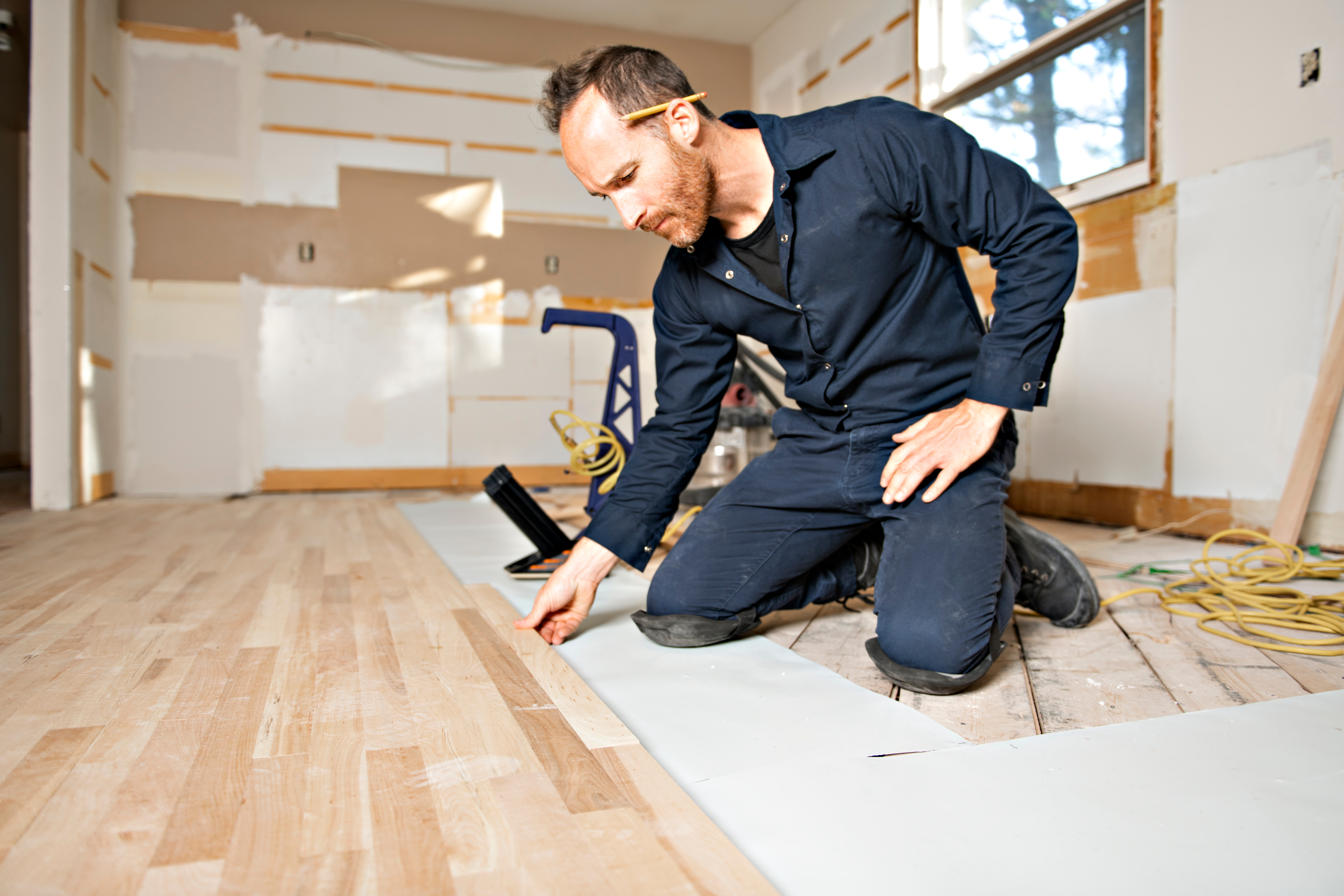
You pick out a floor you love, imagine how it will change the room, and then hear a less exciting question: What’s going on under the floor? It may not be the glamorous part of the project, but subfloor moisture can affect how laminate or sheet vinyl performs long after installation day. In a coastal climate, that matters more than many homeowners expect.
Why moisture under the floor matters
Laminate and vinyl handle daily life differently, but both depend on a stable surface underneath. When a subfloor holds too much moisture, problems can show up as swelling, soft spots, edge lift, adhesive issues, or a floor that simply does not wear the way it should. Even if the surface looks dry, moisture can still move through concrete slabs or collect in crawl spaces.
That is one reason many homeowners start by comparing materials that fit a humid climate. If you are weighing wood-look options for busy rooms, it helps to browse a laminate selection with waterproof choices in mind rather than focusing on color alone. The product matters, but the condition below it matters just as much.
Coastal conditions make the subfloor conversation more important
Around Wilmington, moisture is not just about a plumbing leak. It can come from high humidity, damp crawl spaces, slab vapor transmission, storm-driven rain, or wet shoes and sand tracked in from outside. In older homes, ventilation and insulation may also affect how much dampness builds up below the finished surface.
Beach properties and homes closer to the water often face an extra layer of challenge because humid air lingers longer and storms hit harder. That does not mean laminate or vinyl are off the table. It means the subfloor needs to be evaluated honestly before a product is chosen. For some rooms, homeowners also compare resilient surfaces in a vinyl sheet catalog because sheet vinyl can be a practical fit where easy cleanup and fewer seams are priorities.
What a moisture check can reveal
A proper evaluation is not guesswork. Installers may look for staining, musty odors, previous water damage, loose areas, uneven patches, or signs that a slab is still releasing moisture. In crawl-space homes, they may also consider airflow and whether ground moisture is being controlled well enough to protect the structure above.
This is also the stage where expectations become clearer. A floor can only perform as well as the surface supporting it, so moisture concerns sometimes need to be addressed before product installation begins. While comparing styles, some homeowners like to use design inspiration galleries to narrow their look first, then match that style direction to the realities of the room. That sequence often leads to better decisions and fewer surprises.
Choosing the right floor once the subfloor is ready
Once moisture conditions are understood, selecting the right material becomes much easier. Laminate can be an excellent choice when you want the look of hardwood with durable everyday performance, especially in households managing pets, kids, or heavy foot traffic. Sheet vinyl can make more sense in spaces where softness underfoot, easy maintenance, and water resistance rise to the top of the list.
That is especially true in homes from Hampstead to Leland, where a single property may have different needs from room to room. A living area might call for laminate, while a laundry room or secondary bath may point you toward another surface entirely. If you are also considering natural wood in drier areas, reviewing available hardwood options can help you compare where each product makes the most sense.
A beautiful floor starts with good information. If you want help sorting through moisture concerns, product choices, and what fits your home best, you can request a free estimate and talk through the details with a local team.


