

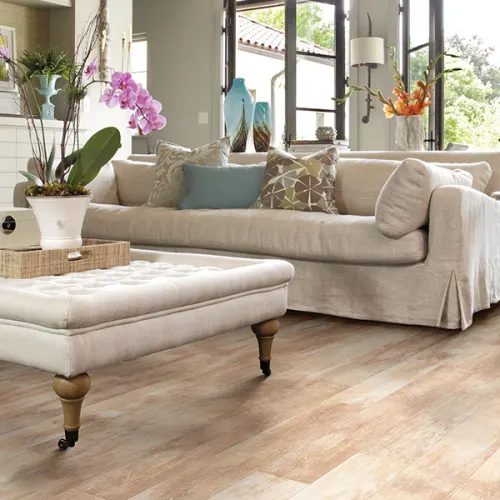
Turnover days in a beach rental are hectic. One set of guests is rolling suitcases out the door while the cleaning crew is sweeping up sand, wiping up sunscreen spills, and trying to erase that mystery scratch in the hallway. If your property near the coast has older floors, every checkout can feel like a new round of damage control. That’s why so many owners are turning to laminate: it delivers the look of wood with more forgiveness for sand, luggage wheels, and busy rental traffic—if you choose and care for it correctly.
Below are practical, owner-tested ways to get the longest life from laminate in a beach vacation setting.
Start with the right laminate construction
Not all laminate is built for coastal rentals. Standard products can swell if moisture gets into the core, while upgraded constructions handle humidity and spills much better.
Look for options with water-resistant or waterproof technology, especially in kitchens, entries, and rooms that open to decks or outdoor showers. Many modern lines use tight locking systems and sealed bevels to keep water on the surface long enough to wipe it up. You can compare these features across brands in Carpet Smart’s full laminate selection, paying attention to water protection filters and product specs.
Board thickness and wear layer matter too. A thicker plank with a robust wear surface will better handle rolling suitcases, sand underfoot, and furniture that gets moved around between bookings. When you’re browsing samples, run your hand over the texture—subtle grain patterns and low-gloss finishes tend to hide small scuffs better than ultra-smooth, shiny looks.
Design for sand, salt, and sunscreen
Beach rentals face a specific trio of enemies: sand, salt air, and oily products. Good design choices can make those easier to manage.
Color is your first tool. Mid-tone, variegated patterns do a great job of disguising tracked-in grit between cleanings. Very dark and very light floors both show every footprint, so they usually require more attention in a high-traffic rental. Wider planks with realistic wood patterns can give that “coastal cottage” feel while scattering wear visually, similar to what you’d get from some of the wood looks in the luxury vinyl collection.
Soft landings at entry points help, too. A washable runner in the hallway from the front door, plus mats at deck and patio sliders, will capture a surprising amount of sand before it ever reaches the main living area. Make sure those rugs have non-staining backings rated as safe for hard surfaces so they don’t discolor the laminate over time.
Install and protect for heavy turnover
Even the best product can fail if installation details are rushed. In the humid Cape Fear climate, subfloor prep and expansion space are critical to long-term performance.
Your installer should check that the slab or wood subfloor is dry and flat, then use an appropriate underlayment to cushion the planks and quiet footfall—important in multi-story beach houses where sound carries between levels. Perimeter expansion gaps must be respected so the floor can move slightly with seasonal humidity swings without buckling.
Once the floor is in, a few small steps dramatically reduce damage:
- Add felt pads to chair and table legs, and keep extras in a labeled kitchen drawer so cleaners can replace them as needed.
For bedrooms or living rooms where guests might drag heavier furniture, some owners also use small area rugs under coffee tables or bunk ladders. If you’re coordinating finishes across multiple units, browsing the broader hardwood collection can help you align laminate tones with existing wood stairs or railings for a cohesive look.
Make cleaning routines laminate-friendly
Daily and turnover cleaning routines should protect the floor while keeping your schedule realistic. Laminate responds best to dry or lightly damp maintenance.
Train cleaners to start with a soft broom or vacuum on a hard-floor setting to remove sand and grit, which act like sandpaper under shoes. Follow with a well-wrung microfiber mop and a laminate-safe cleaner—never steam, and never soaking-wet mops. The goal is a quick clean and dry cycle so moisture doesn’t linger in joints.
It also helps to give guests simple guidance. A short “house care” card can mention that spills should be wiped promptly and that beach chairs and coolers belong on the deck, not dragged across the living room. Owners who mix flooring types—such as pairing laminate in living spaces with resilient bath surfaces from the vinyl sheet catalog—often note that guests follow rules better when expectations are clearly posted.
Durable laminate, chosen with humidity and sand in mind, can give your coastal rental the warm look of wood without constant repair bills. If you’re weighing options for a property near Wrightsville Beach or Topsail Beach and want help comparing constructions, finishes, and layouts, you can schedule your free in-home consultation with Carpet Smart’s local team.


